
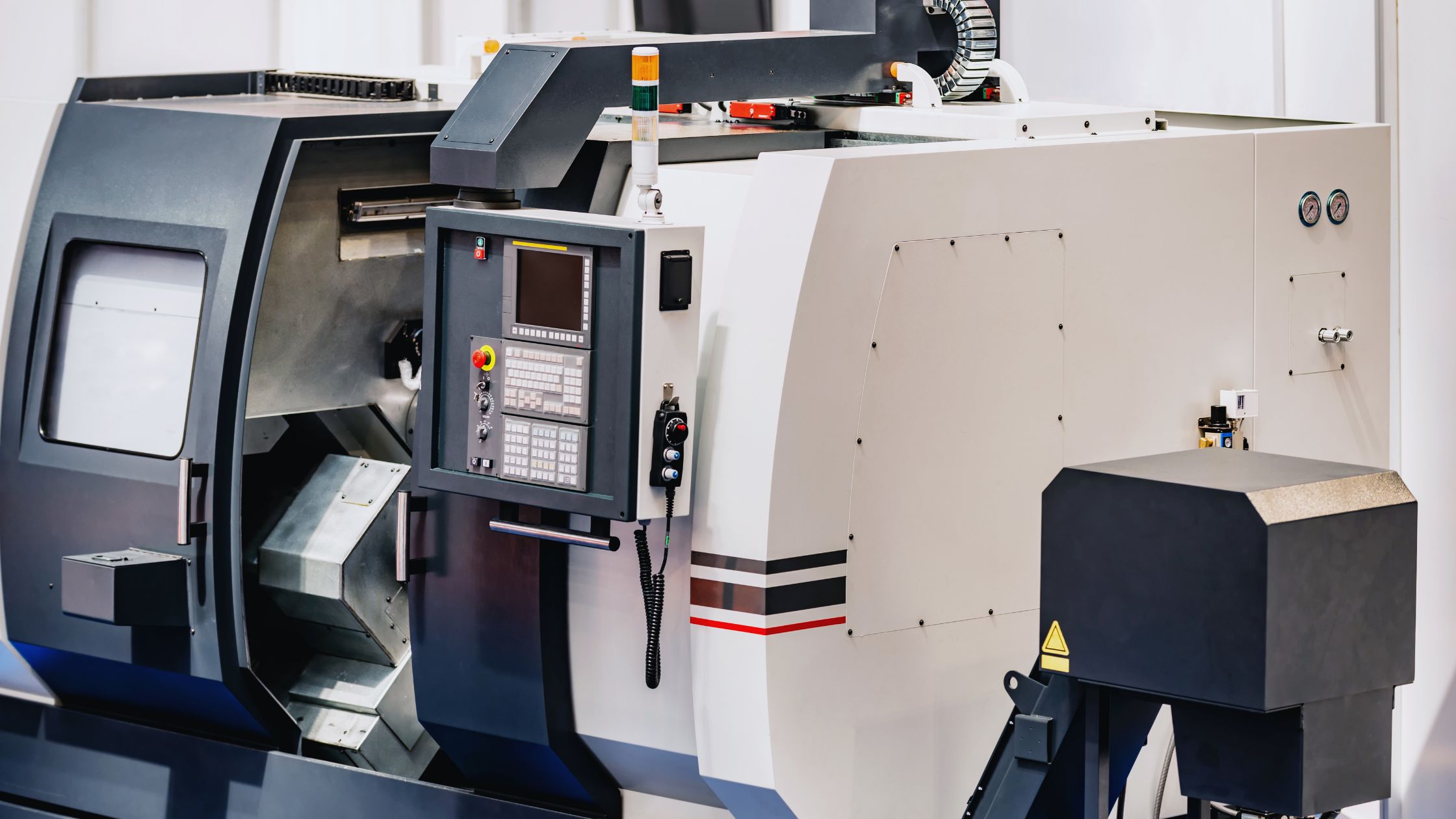

Detailed metal components often contain angled surfaces, deep pockets, narrow channels, and precise connection points that leave little room for error. CNC services turn digital designs into accurate parts by controlling cutting tools through programmed movements. This approach helps manufacturers produce intricate components consistently without relying on repeated manual adjustments.
Digital Programming Turns Detailed Designs Into Machinable Parts
Computer-aided manufacturing software converts a three-dimensional model into toolpaths that guide each cutting movement. Programmers define spindle speeds, feed rates, cutting depths, tool changes, and approach angles before production begins. Careful planning allows CNC machining equipment to reach difficult features while protecting thin walls, small openings, and delicate edges.
Simulation adds another layer of control before metal reaches the machine. Virtual testing can reveal tool collisions, excessive cutting pressure, unreachable surfaces, or inefficient movements. Early corrections reduce wasted material and prevent expensive damage to specialized tools, fixtures, or workpieces.
Multi-Axis Movement Produces Complex Shapes With Fewer Setups
Traditional three-axis equipment moves along straight X, Y, and Z directions, making it suitable for many standard parts. Multi-axis machines add rotational movement, allowing the cutting tool to approach a workpiece from several directions. Greater access makes it possible to create curved contours, undercuts, angled holes, impellers, housings, robotic joints, and other challenging forms.
Fewer setups also protect dimensional accuracy. Repositioning a component can introduce small alignment differences that affect how separate features relate to one another. Advanced machining services can complete several sides during one setup, reducing handling while maintaining tighter relationships between holes, surfaces, and mounting points.
Specialized Tooling Reaches Features Standard Cutters Cannot
Complex components rarely depend on one cutting tool. A production plan may call for end mills, ball-nose cutters, drills, reamers, boring bars, thread mills, and custom-shaped tooling. Each option performs a particular task, from creating smooth curves to finishing an internal diameter within a narrow tolerance range.
Experienced machining companies also consider tool length and rigidity. Long cutters can reach deep cavities, but they may flex under pressure and leave uneven surfaces. Shorter, stronger tools improve stability whenever the part geometry allows them, while adjusted feed rates help limit vibration in restricted areas.
Precision Control Keeps Tight Tolerances Consistent
Accurate dimensions matter because complex parts often connect with bearings, shafts, fasteners, seals, sensors, or moving assemblies. A minor deviation can create friction, looseness, leakage, or poor alignment. Modern CNC machining uses programmed positioning and controlled tool movement to reproduce dimensions more consistently than manual cutting methods.
Temperature, tool wear, and material behavior still require attention. Skilled operators monitor these factors throughout production and adjust offsets when necessary. Reliable precision machining companies also inspect critical features with calibrated gauges, coordinate measuring machines, and other verification equipment before releasing finished parts.
Material Knowledge Prevents Distortion and Poor Surface Quality
Different metals react differently to cutting heat and pressure. Aluminum machines quickly but may form built-up material along a tool edge. Stainless steel can harden during cutting, while titanium holds heat near the cutting zone and places greater stress on tooling.
Qualified machining services near me should understand how material properties affect speed, coolant use, chip removal, and tool selection. Proper choices help prevent warping, rough finishes, premature tool failure, and dimensional changes. That knowledge becomes especially valuable when a design combines thin sections, deep cuts, or tight internal corners.
Custom Fixtures Hold Irregular Parts Securely
Standard vises cannot support every component shape. Odd profiles, castings, thin plates, and partially finished workpieces may require fixtures designed around their exact geometry. A custom machine shop can create dedicated holding systems that position each piece securely without damaging finished surfaces.
Stable workholding improves more than safety. Consistent placement allows machines to locate reference points accurately across an entire production run. Manufacturers searching for machining companies near me should ask how a provider plans to support, locate, and clamp unusual parts before cutting begins.
Prototypes Reveal Design Problems Before Full Production
Prototype machining gives engineers a physical part they can inspect, assemble, and test. Real-world evaluation may expose inaccessible fasteners, weak walls, poor clearances, or features that cost more to machine than expected. Design teams can then revise the model before committing to larger material orders.
Flexible CNC services near me can also produce several prototype versions without rebuilding an entire production line. Updated programs let machinists compare alternative dimensions, materials, and surface treatments while preserving accurate records for the approved design.
Repeatable Processes Support Low- and High-Volume Orders
Stored machining programs make successful parts easier to reproduce. After operators confirm the tooling, fixtures, offsets, and inspection requirements, the same process can support future orders with fewer setup decisions. Repeatability helps replacement components match earlier assemblies and keeps production quality consistent as quantities increase.
Businesses searching for CNC machining near me often need more than geographic convenience. Strong providers review drawings, plan efficient workflows, document inspection results, and scale output without weakening quality controls. Amtec Solutions Group supports complex component production through CNC milling up to five axes, CNC turning, computer-controlled inspection, material versatility, finishing, and assembly capabilities for demanding industrial, robotics, aerospace, and defense applications.