
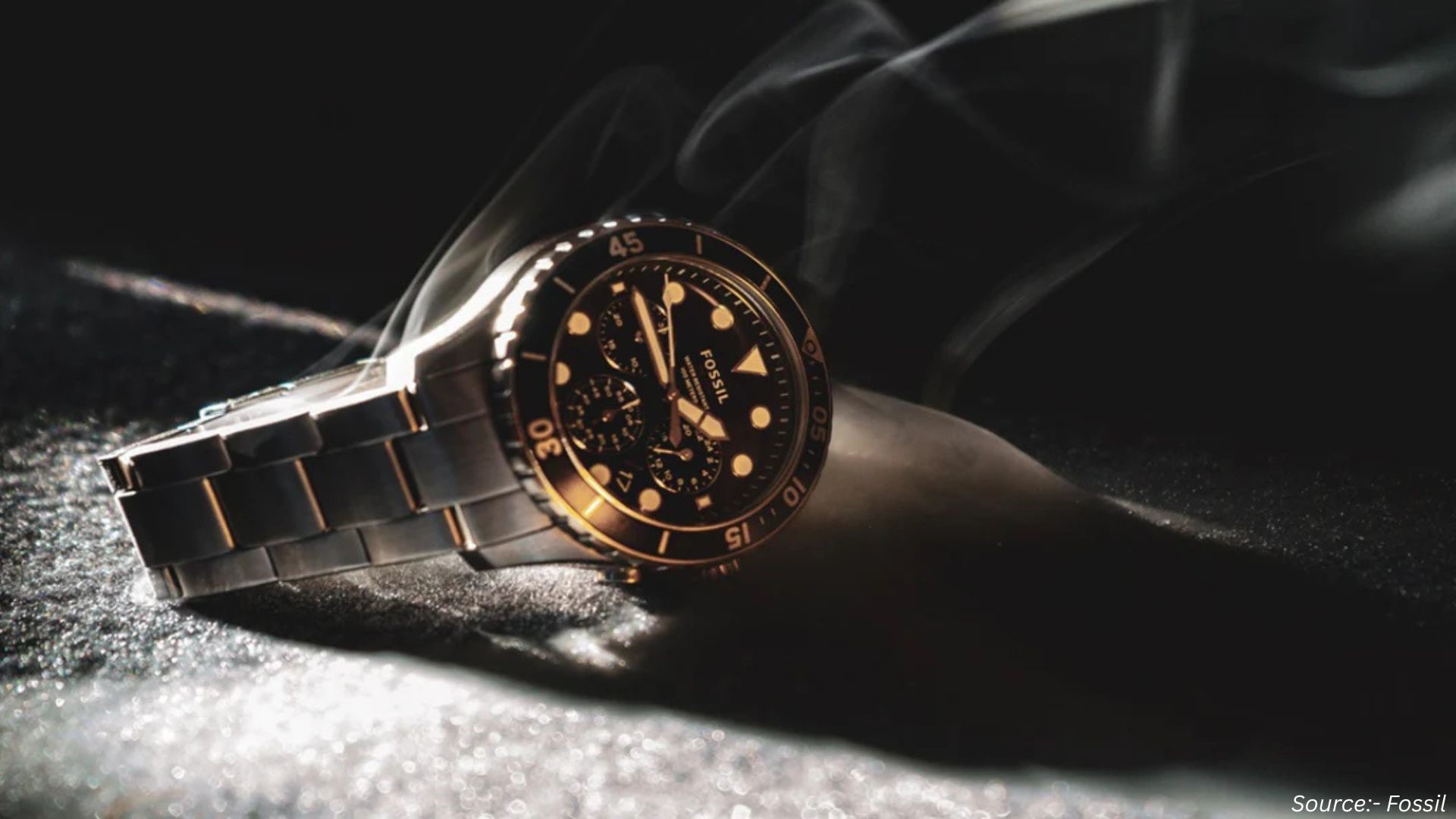

The watch industry has always been a blend of art, engineering, and status. In recent years, particularly 2024–2025, the market has demonstrated resilience and innovation across both luxury and secondary segments. This article delves into current trends, pricing dynamics, and key industry highlights, helping enthusiasts and collectors navigate the evolving landscape.
Luxury Watches Making Waves
The luxury watch segment has witnessed a notable resurgence in creativity and consumer interest. Brands like LVMH’s TAG Heuer, Hublot, and Zenith showcased groundbreaking designs and limited-edition releases during Milan Watch Week 2024, emphasizing mechanical innovation and heritage. TAG Heuer focused on integrating modern materials and avant-garde aesthetics into their classic chronographs. Hublot released high-profile limited editions that combine traditional craftsmanship with innovative alloy technology. Zenith emphasized their iconic El Primero line, targeting collectors seeking performance and historical value.
The Surge in Secondary Market Prices
The secondary or pre-owned watch market is experiencing a post-Broad gains surge for the first time in years. Morgan Stanley reports that investors and collectors are showing renewed interest, particularly in historically significant and limited-edition pieces. Pre-owned Rolex and Patek Philippe watches saw price increases averaging 8–12% in 2024. Online marketplaces and specialist dealers are reporting stronger bid activity and shorter holding periods for high-demand models. Younger collectors are entering the market, driving demand for iconic models previously dominated by seasoned investors.
Material and Design Trends
Innovations in materials and design are redefining the modern watch. From ceramic cases to advanced alloy combinations, brands are investing in durability, aesthetics, and unique wearer experiences. Ceramic is increasingly popular for its scratch resistance and sleek finish, while titanium is valued for durability and corrosion resistance. Carbon fiber appeals to those seeking a lightweight and sporty aesthetic. Design trends now include open-dial layouts that reveal mechanical movements, smartwatch hybrid models blending analog craftsmanship with digital functionality, and customizable options allowing buyers to select straps, finishes, and engraving.
Market Outlook 2025 and Beyond
The watch market is expected to maintain its growth trajectory, driven by both luxury launches and secondary market activity. Limited-edition releases are expected to remain highly sought-after, sustaining premium pricing. Secondary market platforms will continue to professionalize, increasing transparency and trust. Younger demographics are influencing design trends, pushing brands to innovate in aesthetics and digital integration.
Next Steps: Actionable Insights for Enthusiasts and Investors
- Monitor secondary market trends to identify historically significant models for potential investment gains.
- Focus on watches that combine traditional craftsmanship with innovative materials and hybrid technologies.
- Attend key watch events such as Milan Watch Week to gain insights into upcoming releases and market direction.
- Evaluate brand heritage, as watches from established brands with iconic lines often retain value better.
- Diversify collections by mixing modern, limited editions with vintage pieces to balance aesthetic appeal and long-term value.
About the author:
Joydeep Dey is a seasoned SEO Executive, Content Writer, and AI expert with over 2½ years of experience in digital marketing and artificial intelligence. He specializes in SEO strategy, impactful content creation, and developing data-driven, AI-powered solutions that enhance online visibility and engagement. With a strong foundation in natural language processing and emerging AI technologies, Joydeep is known for simplifying complex concepts into clear, actionable insights. He can be reached at info@nextmsc.com.