
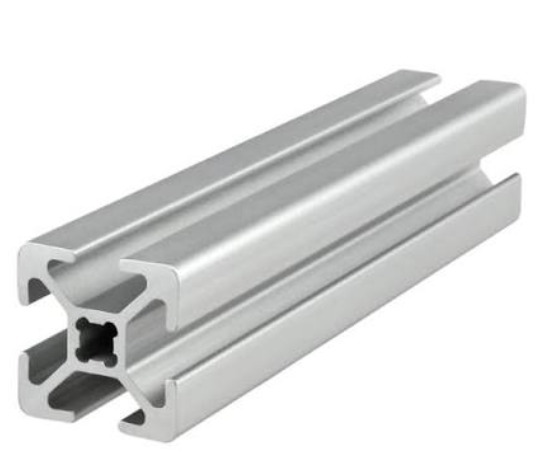

Safety panels work best when the mounting method matches the barrier material, frame layout, and level of access the equipment needs. Secure attachment keeps guards from rattling, shifting, or opening gaps around moving machinery. MiniTec Aluminum Framing gives builders several ways to hold clear panels, sheet barriers, and fencing while keeping future service work manageable.
Direct Slot Insertion Using Integrated Insert Seal Profiles
Direct insertion places a panel inside the profile groove instead of fastening it across the outside face. Flexible insert seals can cushion polycarbonate, acrylic, sheet material, or similar panels while helping them sit firmly within the T slot extrusion. This approach creates a clean edge and reduces the number of exposed brackets around the enclosure. Proper clearance still matters because a panel fitted too tightly may bow as temperatures change, while an oversized gap can lead to vibration. Accurate panel sizing also makes MiniTec extruded aluminum framing easier to assemble because installers can slide the barrier into place before closing the final rail.
Fastening Panels via Dedicated Panel Hardware Accessories
Dedicated panel hardware lets builders attach a barrier to the face or side of an extruded aluminum T slot profile without drilling through the main framing member. Clips, retaining blocks, brackets, and matching fasteners can grip the panel at selected points while leaving the rest of the opening clear. Removable hardware works especially well where technicians need occasional access behind a guard.
Spacing should match panel thickness, size, and expected movement. Larger sheets may need more attachment points so the center does not flex or chatter near operating machinery. Correctly positioned fasteners also keep the panel load distributed across the frame instead of concentrating force at one corner.
Securing Panels Within Specialized Modular Clamp Profiles
Clamp profiles provide a more continuous hold along the panel edge than individual mounting clips. Their shape can capture sheet material between mating surfaces, creating a neat border that helps control vibration and panel movement. This method suits guards where clean lines and firm retention matter as much as easy installation. Different panel thicknesses may call for matching seals or clamp dimensions, so the selected aluminum framing material should be checked against the infill before assembly. Consistent clamping can also reduce stress points that sometimes develop around isolated fasteners.
Constructing Boundary Protection Utilizing Standalone Guarding Layouts
Standalone guarding uses its own posts, rails, and floor supports rather than depending on a machine frame for stability. Separate construction can make sense around robotic cells, conveyors, automated stations, or equipment that creates a broader hazard zone. An aluminum framing kit can form the perimeter while panels fill the open sections between vertical supports.
Floor anchoring becomes especially important in this type of layout. Tall runs, wide doors, and long unsupported sections may need base plates, braces, or stronger profiles to resist impact and racking. Designers should also leave enough clearance between the guard and moving equipment so deflection does not allow the barrier to enter the hazard area.
Mounting Clear or Solid Barriers Inside Custom Safety Enclosures
Clear barriers let operators watch a process while keeping physical separation from moving parts, chips, or other hazards. Solid panels can block debris, reduce visual distractions, or close off areas where visibility is unnecessary. T slot aluminum extrusion makes it possible to mix these materials within one enclosure by using compatible panel retainers and slot hardware. Openings for controls, service doors, and cable passages should be planned before panels are cut. Thoughtful placement keeps the enclosure functional without weakening its protective purpose.
Assembling Perimeter Barriers Using Heavy-duty Fencing Configurations
Heavy-duty fencing works well around larger equipment where airflow and visibility are needed but direct access must remain restricted. Wire mesh panels can span between stronger upright profiles and connect through reinforced brackets or dedicated guard hardware. Wider sections may need intermediate posts to prevent the fencing from flexing under contact.
Door openings deserve extra attention because hinges and latches introduce repeated loads into nearby rails. Reinforced corners, properly spaced posts, and secure floor mounting help keep the opening square through daily use. Protective fencing built from MiniTec Aluminum Framing can also remain modular, allowing damaged panels or individual sections to be replaced without rebuilding the full perimeter.
Attaching Outer Protective Shield Sheets Using Multi-purpose Fasteners
Outer shields often need fasteners that hold firmly while still allowing removal for cleaning or maintenance. Multi-purpose hardware can attach sheet metal, plastic, or composite barriers directly to the profile slots, giving installers flexibility over mounting position and spacing. Washers or broad-head fasteners may help spread pressure across thinner materials so the sheet does not crack or distort around the attachment point. For manufacturers building guards, enclosures, and perimeter protection, MiniTec Solutions provides the framing and panel-mounting components manufacturers need to build secure guards and enclosures, with hardware that also makes future panel replacement, maintenance, and equipment access easier.